
Leaky dams, often referred to as natural flood management barriers, are small, man-made structures built from locally sourced materials such as timber, branches, and stone. Unlike conventional dams, they are not intended to stop water entirely. Instead, they are designed to let water pass through gradually, slowing its movement downstream.
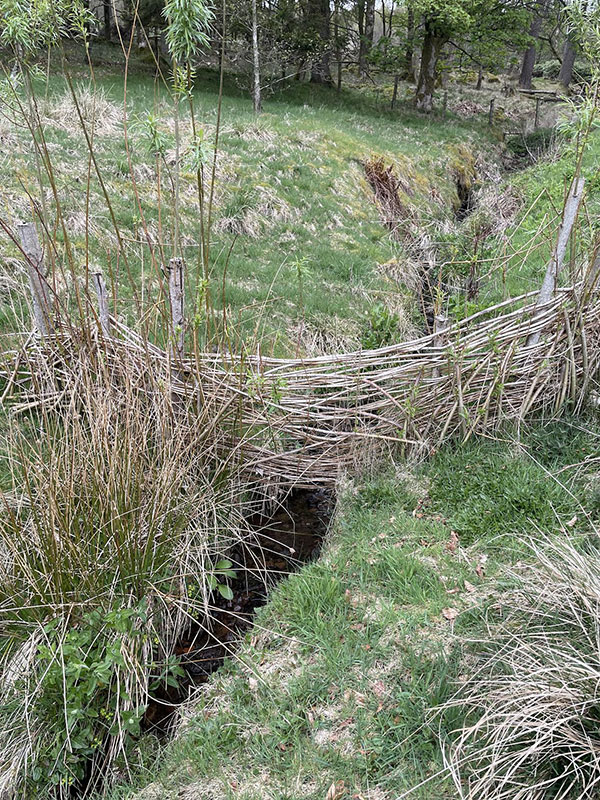
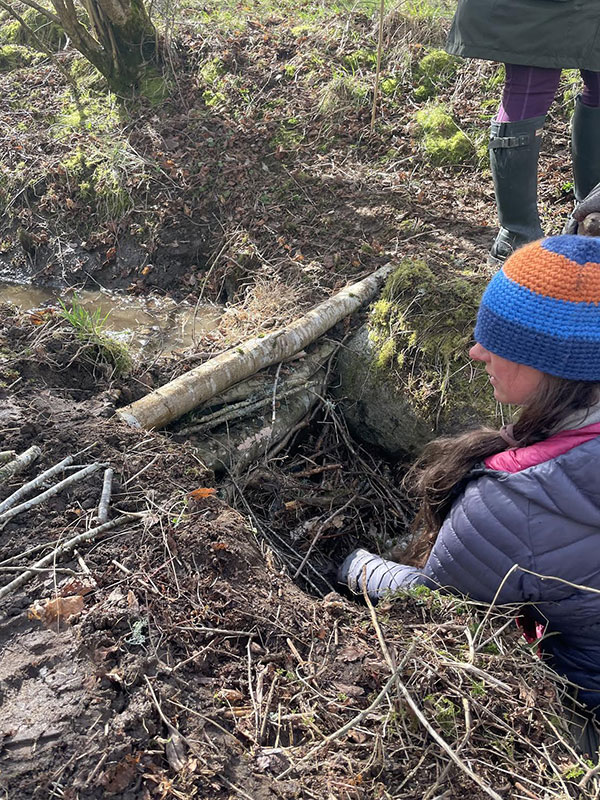
Their effectiveness comes from working with natural processes rather than against them, an approach widely known as Nature-Based Solutions. Over time, many landscapes have lost their ability to absorb and retain water due to deforestation and declining soil health. This reduces the land’s natural “sponge” capacity, leading to faster runoff and an increased risk of flooding. By gently slowing the flow of water in rivers and streams, leaky dams help reduce peak flows during heavy rainfall, lowering flood risk for communities further downstream.
At the same time, these structures create small upstream pools and wetland areas, which provide valuable habitats for wildlife, enhance biodiversity, and support healthier ecosystems. Historically, this function was performed naturally by species such as the European Beaver, whose dam-building activities helped regulate water flow and reduce flood risk.
Leaky dams also play an important role in improving water quality by trapping sediment and pollutants, while supporting groundwater recharge. Their low cost, minimal environmental impact, and ease of installation have made them an increasingly popular tool in sustainable land and water management, particularly in rural and upland areas.
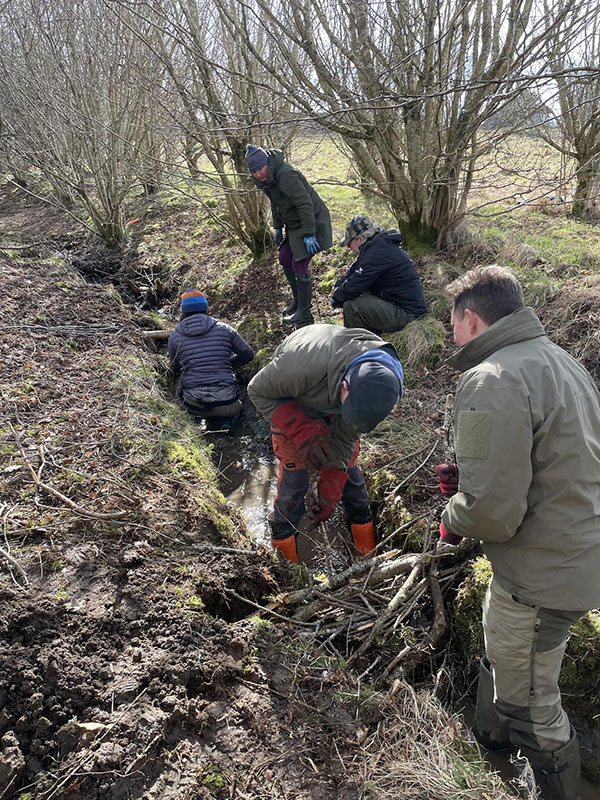
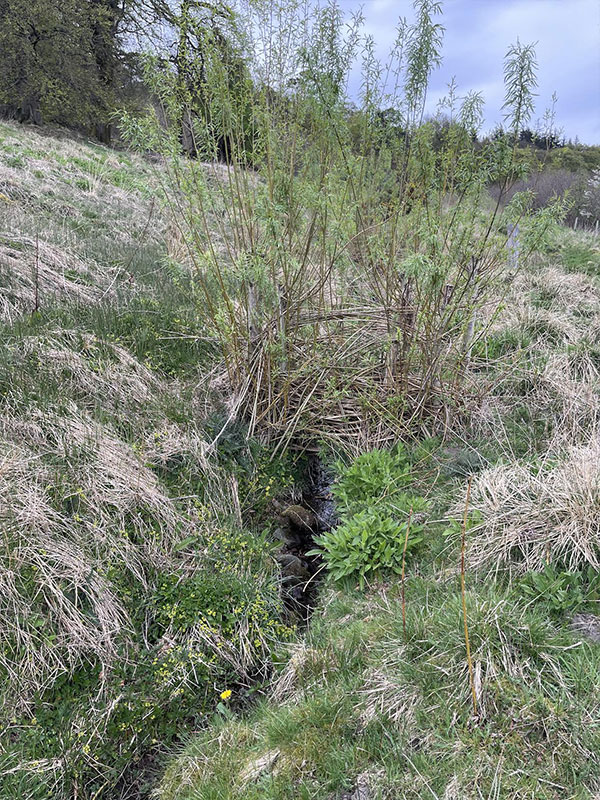
Our Senior Ecologist, Mike Thornton recently attended a training course on River Restoration run by Scotland’s Big Picture, which involved a practical session on the construction of Leaky Dams. This year, Balanced Horizon will explore opportunities to install leaky dams in the upper Tyne catchment, with the aim of reducing downstream flood risk while creating vital wetland habitats for wildlife.