Some see our rivers and burns as merely functional water channels. In fact they perform functions far beyond mere resource distribution. Rivers act as the primary landscape-scale engineers of a region carving valleys and depositing their sediment. Indeed they are capable of creating entire landforms from scratch. Yet, their biological utility as continuous energy networks represent an equally critical asset. From high-altitude elevations down to coastal plains, waterways establish unbroken physical corridors along which flora and fauna are able to navigate otherwise heavily fragmented natural environments.
This dual capacity elevates rivers to a foundational role in both physical geography and ecology. Far from being static linear features they operate as dynamic living pathways connecting the systems that function as part of the surrounding landscape.
Rivers as water and energy distributors
Of course rivers function as the primary distribution networks for both water and kinetic energy across land. Acting as a collector of rainfall and seasonal melt across a potentially large catchment, a complex branching network of tributaries route water downward from higher altitudes to lower basins or seas. Yet the water itself is just one component. This continuous flow transfers massive physical power that has resulted, at times, in catastrophic flooding and acted as a key driver for the industrial revolution. This makes rivers key arteries in our human life support system through the supply of water to ecosystems, farms, and people. It explains why many towns and cities are sited on rivers to provide water, fertile land, transportation routes and natural resources.
Rivers as landscape shapers
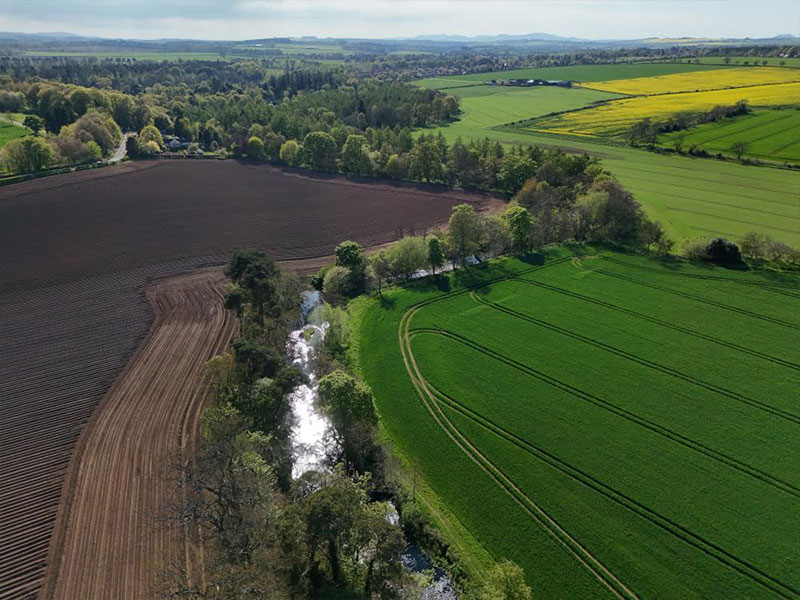
The modification of terrain through erosion and deposition represents the most visible outcome of river activity. At higher elevations, steeper gradients drive more rapid water flow, creating deeper V-shaped valleys, narrow ravines, gorges and waterfalls. Further down the catchment basin, the topography flattens, the energy lessens and the water velocity drops. Here, the channel begins a lateral sway, widening its footprint across the basin. The deposition of sediment becomes more dominant creating floodplains, meanders, levees, and downstream deltas. Rivers are constantly looking to reconfigure the real estate by stripping material from one location to lay it down elsewhere.
Rivers as ecosystem corridors
Their function as biological ‘supply lines’ is just as vital. The core channel, flanked by its immediate banks, floodplains, and associated floodplain, forms an uninterrupted ecological strip. Avian populations, mammals, insects, fish, and terrestrial plants utilize this continuous zoning to bridge island habitats across landscapes.
Agriculture, municipal expansion, and road networks routinely fracture native habitats into fragmented islands. In these heavily modified zones, riverine corridors appreciate significantly in value. Together with their bankside buffer of vegetation, the so-called ‘riparian zone’, they offer a secure, navigable transit route for wildlife. For numerous species, accessing such a green network is non-negotiable for securing nutrients, evading predatory threats, accessing breeding sites, or simply adjusting to seasonal shifts. They are linear assets that ignore artificial geographic boundaries. A multi-branched river network might originate in the hills and terminate at the ocean, stitching together dozens of distinct landscape types along its descent.
This is why healthy rivers are important not only for flood control and clean water supply but also for conservation. Protecting riverbanks, wetlands, and riparian vegetation helps maintain the corridor function of rivers. It keeps the landscape more connected and gives wildlife room to move.
Rivers as landscape connectors
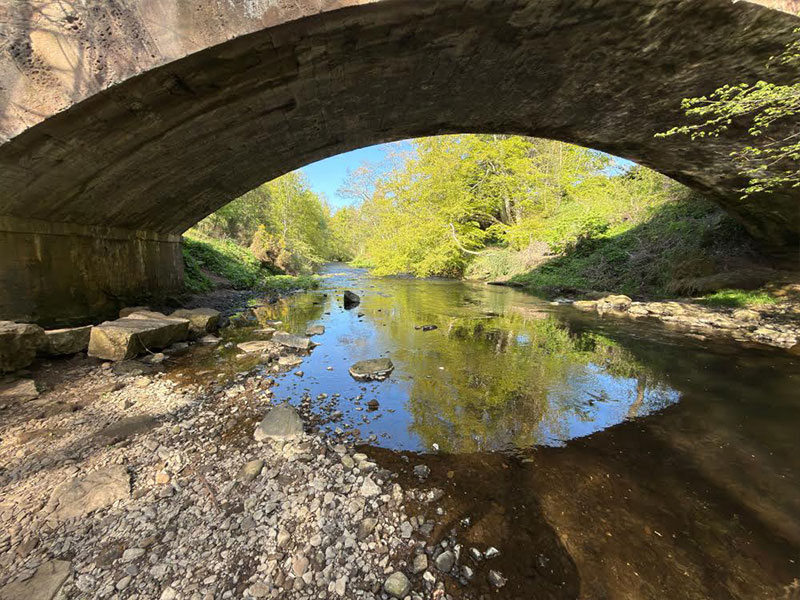
The role of rivers in landscape processes goes beyond their ability to turn rock into rich, fertile soils. They are a constantly moving, powerful force capable of reshaping landscapes over both short and long timeframes through erosion and deposition. While their paths have been heavily modified by human intervention over recent centuries to create productive land and reduce flood risk, they are not easily ‘tamed’. Intervening with river systems often brings many unintended consequences typically for those relying on land downstream.
Our rivers and surrounding catchments are carefully balanced, natural distribution systems. Changing one part of this system will have consequences elsewhere. They are also key connectors in the natural world linking habitats across long distances to create ecosystem corridors. Our rivers need to be fully appreciated as both sculptors of the landscape and arteries that tie it together, their role critical to functioning of a healthy landscape.