
From the hills of the Lammermuirs and Moorfoots to the shores of the Forth, East Lothian’s rivers and burns form a branched network of blue arteries that binds our landscape together. Over thousands of years they have cut steep-sided deans and remoulded gently sloping valleys, carrying freshwater downstream while creating lifelines for wildlife along the way. Yet today they face ever growing pressure from shifting weather patterns, pollution, urban development and changes in land and water management practices. Their role as critical wildlife corridors is also threatened as competing landuses force water into underground pipes or narrow channels.
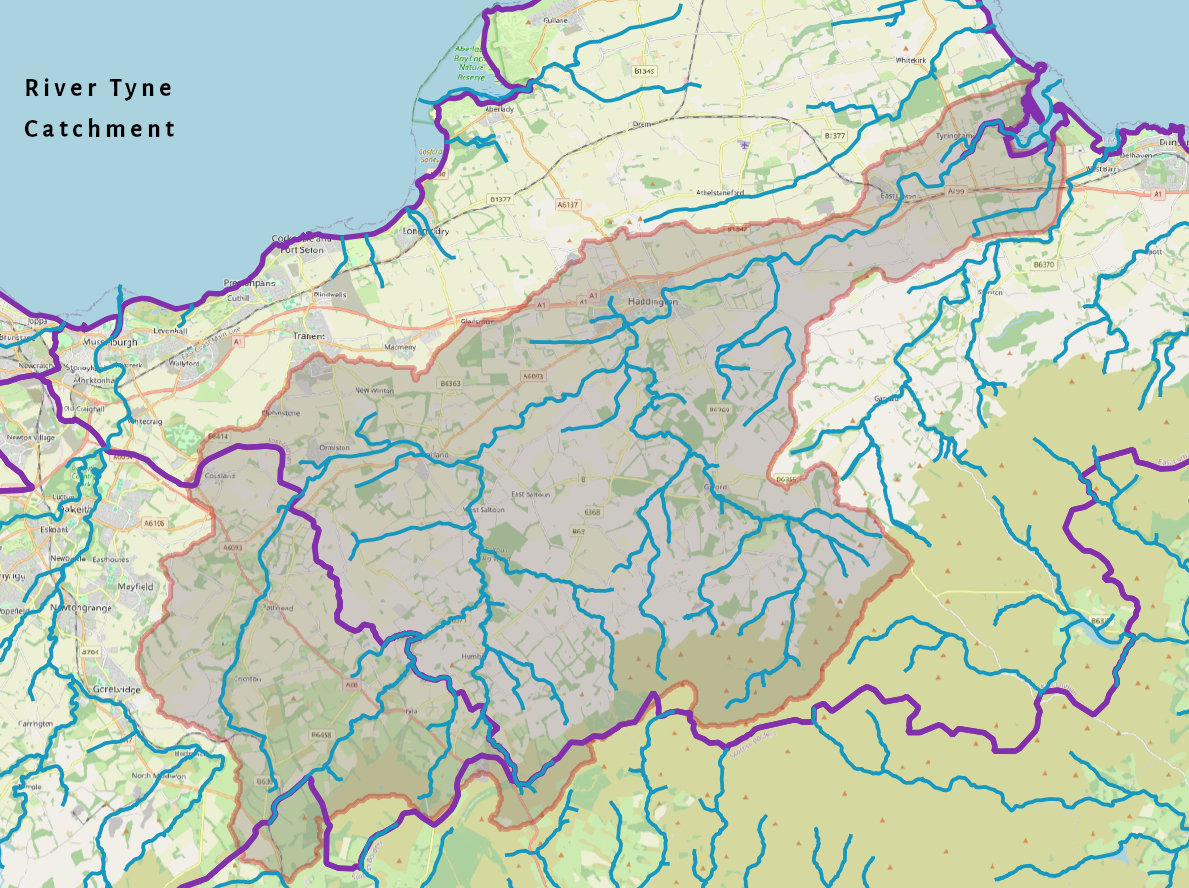
Restoration Tyne is a new project aiming to address these issues across the River Tyne catchment. It brings communities, land managers, environmental organisations and local businesses together to find practical opportunities to deliver healthier waterways. It will explore how river habitats and water quality can be improved, while reducing flood and pollution risks and working with the people who live and work alongside rivers and burns. It will recommend a range of practical, nature-based solutions that deliver long-term benefits to wildlife, agriculture and people.
Restoration Tyne is being led by Balanced Horizon in partnership with Forth Rivers Trust, with a focus on the River Tyne catchment. It has been successful in securing government funding from the Nature Restoration Fund managed by NatureScot.
A lasting legacy of human modification
The need to restore and protect Scotland’s rivers has never been greater. Over hundreds of years we have changed the way our rivers flow largely to meet the economic needs of those living and working nearby. Rivers have been constrained, straightened, deepened and diverted, banks have been raised to reduce flood risk, while new channels and culverts have been built alongside or in place of natural waterways. These changes have re-shaped the landscape we know today.
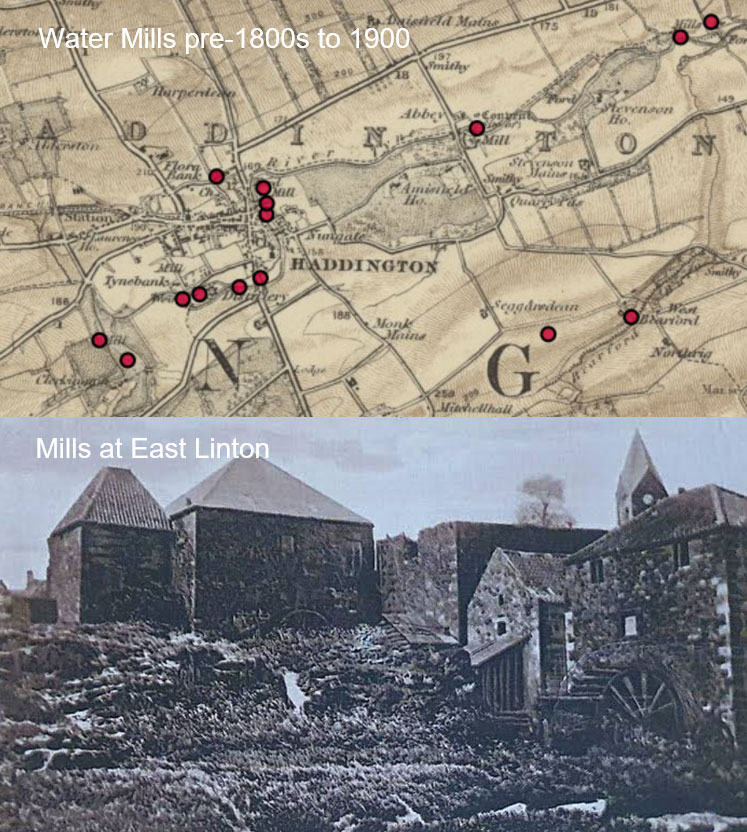
For some these changes brought tangible benefits. They created new productive farmland through drainage and irrigation, opened up new transport routes, allowed the dispersal of sewage and other waste materials, and provided water and power for mills, distilleries and other businesses. This enabled the development of relatively industrialised, river-dependent economy across East Lothian.
However these interventions have also left a lasting legacy that we are only now beginning to understand more fully. Historic embankments built along rivers are likely to increase the likelihood of flooding downstream. Structures like weirs and other barriers, once built to control water levels or power grain mills, now create barriers to fish migration and impact energy levels within the river. This causes increased sediment build-up, reducing the capacity of rivers and increasing the risk of flooding to local homes and businesses. We now understand that river catchments are complex systems. Changes in one area often have consequences downstream that can increase flood risks, damage wildlife habitats and impact water quality.
Healthy rivers for a changing climate
As summers become warmer and drier, pressure on scarce water resources is increasing. The Scottish government has identified East Lothian as a specific area where these pressures are severe. Healthy rivers, wetlands and surrounding landscapes can help retain water within catchments, supporting wildlife, agriculture and communities during periods of low rainfall.
At the same time, increasingly intense downpours can rapidly wash soil, nutrients and pollutants off the land and into watercourses. Heavy rainfall can also overwhelm drainage and sewage systems leading to an increased risk of sewage pollution and flooding. River restoration work can address these challenges. Giving rivers more space to function naturally, reconnecting them with their floodplains, restoring woodland along river banks and creating natural features that slow the movement of water will improve water quality and resilience to heavy rainfall.
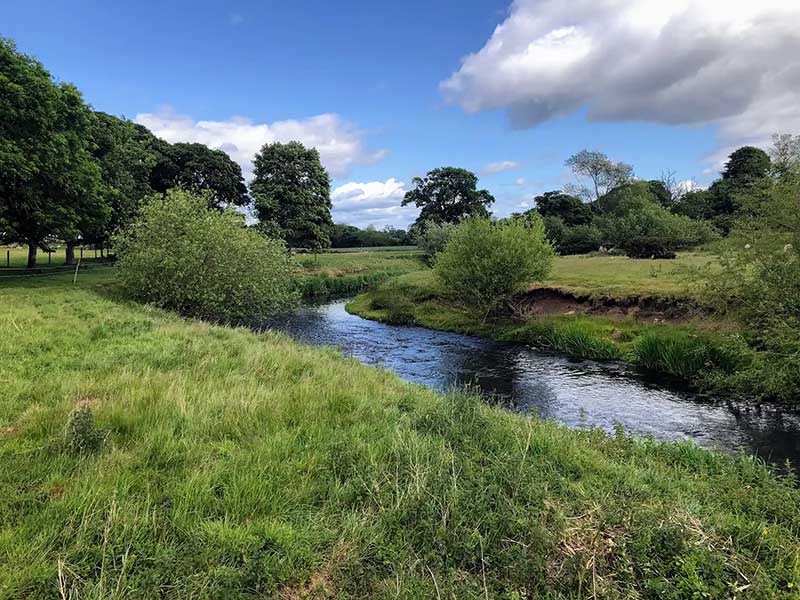
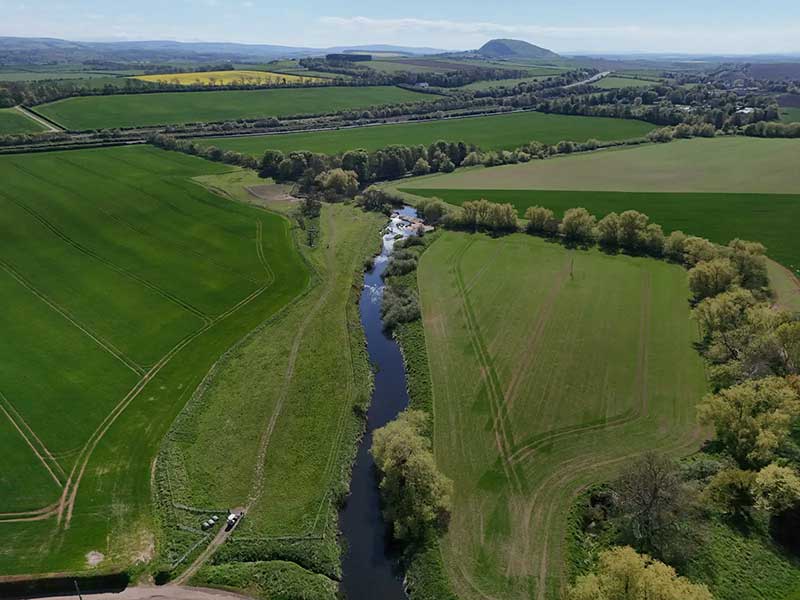
Tackling pressures on the River Tyne
The Restoration Tyne project is looking to address a range of pressures affecting the wider River Tyne catchment area, working collaboratively with land managers, community groups, local businesses and other stakeholders.
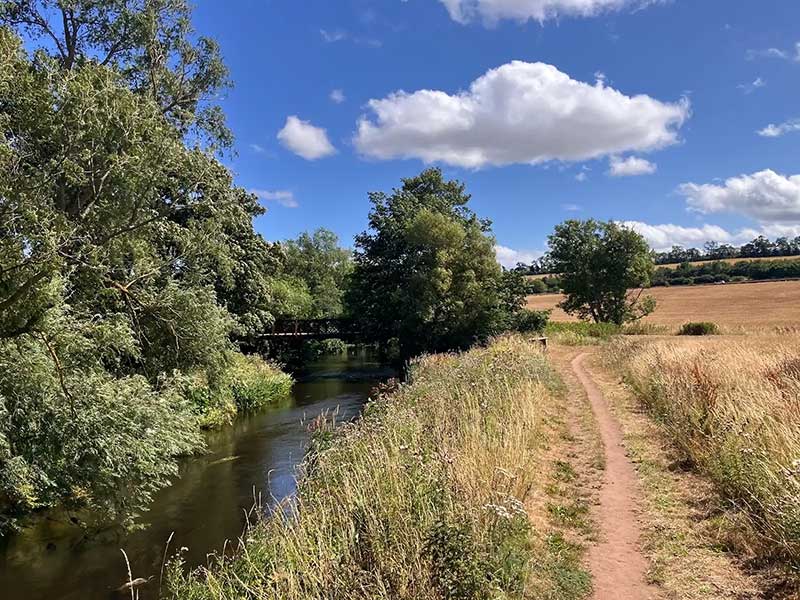
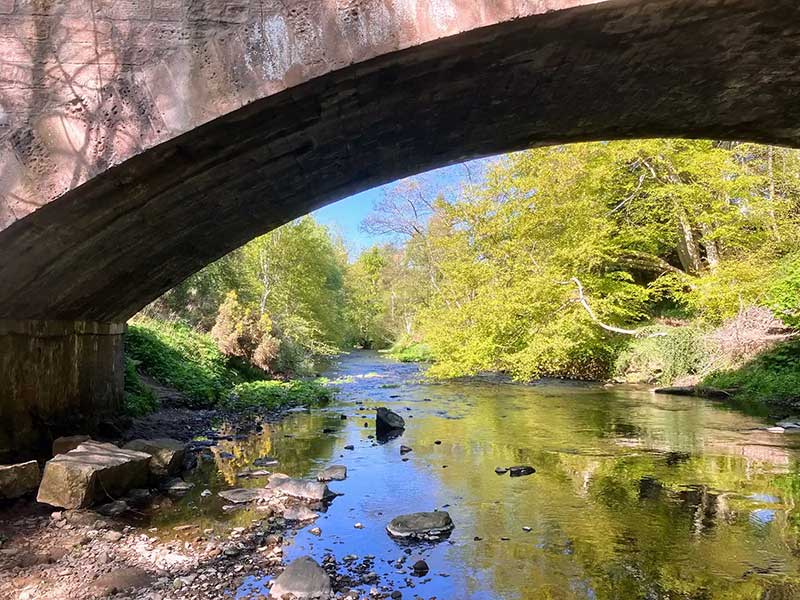
The River Tyne is categorised by Scottish Environment Protection Agency as ‘ecologically poor’ due to a multitude of current and legacy pressures including pollution, fish barriers, water abstraction, drainage and a lack of river woodland cover. The catchment-wide management plan will identify key target areas across farms and estates where there are opportunities to revitalise the Tyne through measures such as tree planting, new hedgerows and wetland features, suitable bankside buffer zones and mini-dams. These measures will not only improve the function and ecology of the river but will also lower downstream flood risks and support more sustainable land management practices for future generations.
Today, there is a growing recognition that we need to work with our river systems rather than try to control them through hard engineering. By understanding how they have changed over time we can identify restoration options that support more natural river processes. This will lead to healthier waterways that are better able to support wildlife, improve water quality and cope with the pressures of a changing climate.
Celebrate East Lothian’s rivers this September
The launch of these projects comes ahead of the East Lothian World Rivers Weekend, a programme of public events taking place from 24th to 27th September marking World Rivers Day. The Restoration Tyne team are introducing their project at the opening event on 24th September. The weekend offers a series of free events for anyone interested in discovering more about their local rivers, the wildlife they support and the work being undertaken to restore them.
To find out more about all these events – East Lothian’s World Rivers Day Weekend